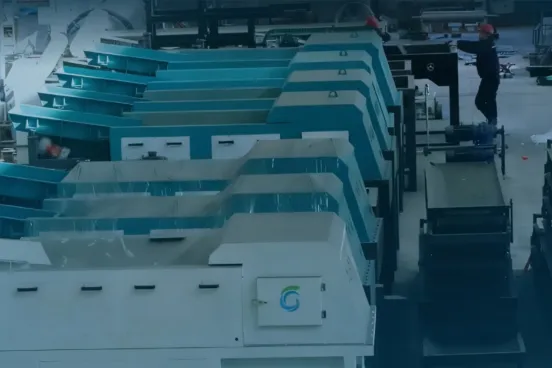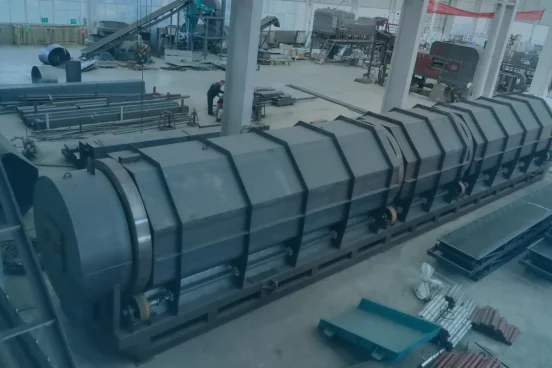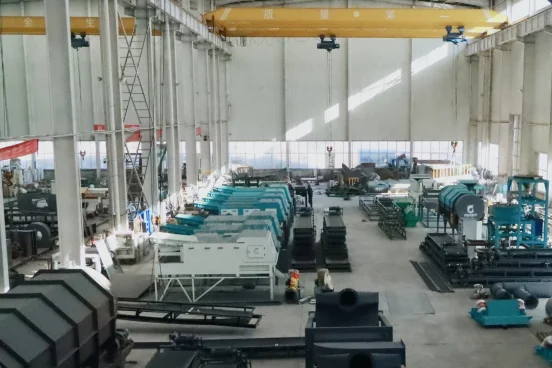
Built a fully automated sorting line for a Japanese national-level waste electrical and electronic equipment processing fund-subsidized enterprise, increasing dismantling efficiency by 300%.
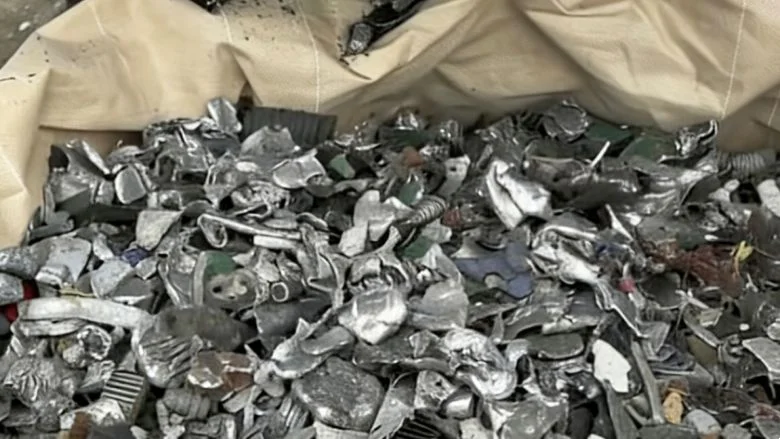
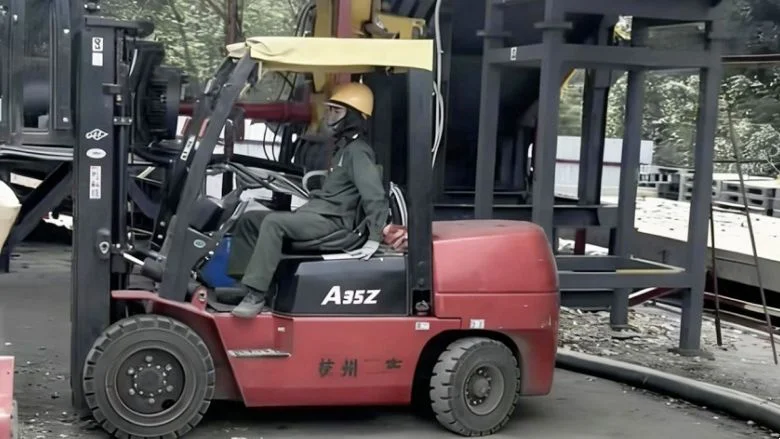
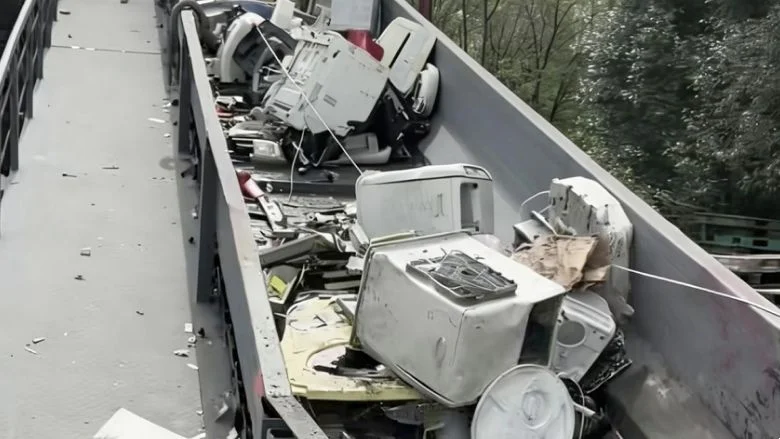
Complex Raw Materials:
Processing mixed waste circuit boards, discarded mobile phones, and fragments of disassembled TVs, refrigerators, and washing machines.
High Dependence on Manual Labor:
Traditional methods rely on manual dismantling and coarse crushing, resulting in low efficiency, significant production bottlenecks, and exposing workers to toxic and hazardous environments.
Low Metal Recovery Rate:
Traditional crushing and gravity sorting methods yield low recovery rates for precious metals, especially gold and palladium, leading to significant value loss in tailings.
Extremely High Environmental Risks:
Dust contains heavy metals and brominated flame retardants; irregular purification processes like acid washing cause secondary pollution, risking license revocation.
Difficulty Meeting Fund Subsidy Audits:
Strict requirements for material flow and product purity make traditional processes difficult to trace.
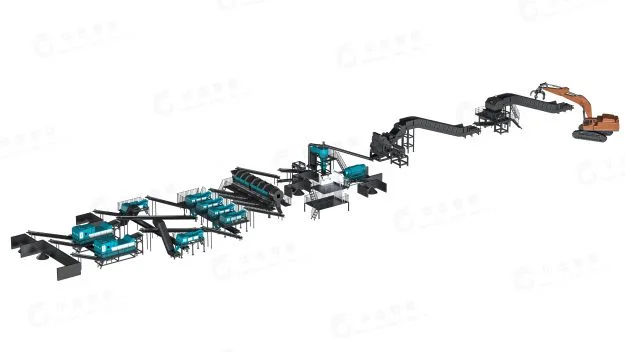
We designed and built a "Smart Crushing, Liberation, and Multi-Dimensional Precision Sorting System for Electronic Waste."
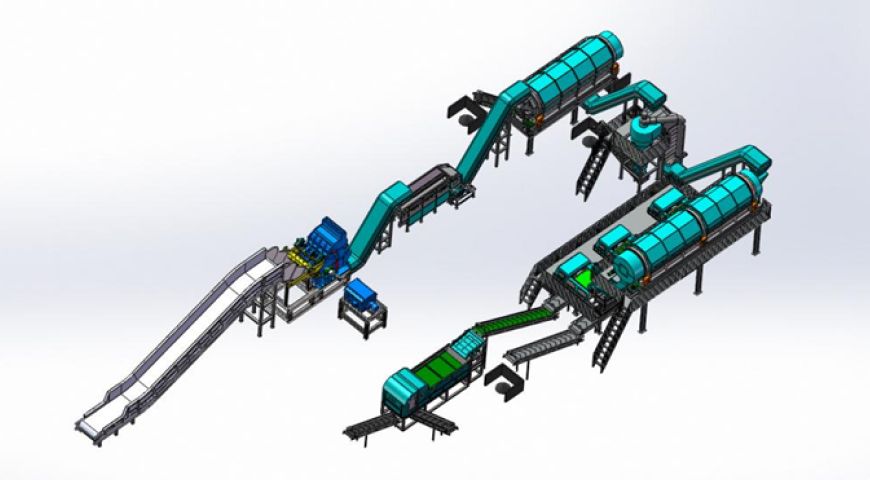
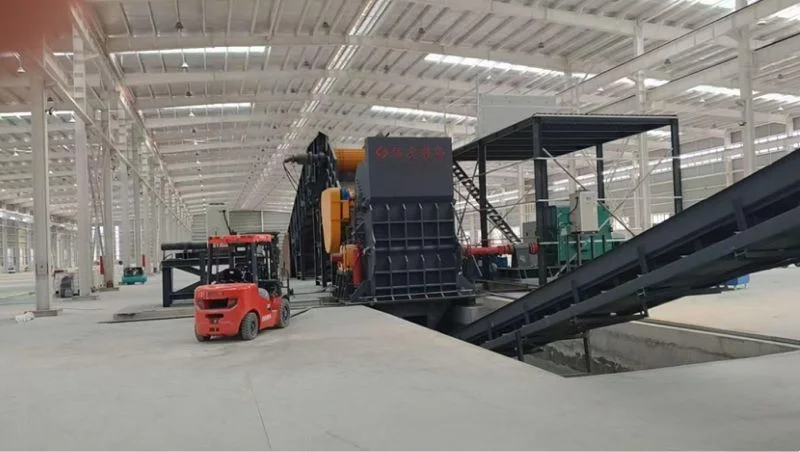
Automated Dismantling: Whole modules are fed in and crushed to prepare for subsequent sorting.
Eddy Current Sorting: Recovers remaining non-ferrous metal particles from non-metallic materials.
Sensor-Based Sorting: Identifies and sorts specific types of plastics or components containing precious metals.
Airflow Sorting: Further purification.
Output: High-purity metal concentrates (copper, gold, silver, palladium), high-value plastic pellets, glass, and harmless residues.
Reduces manual contact, with full PLC control and traceable data.
Ensures effective separation of components and substrates, metals and non-metals, which is essential for improving recovery rates.
Annual processing capacity of 5,000 tons of waste circuit boards or 10 million discarded mobile phones.
| Total Metal Recovery Rate | 98% (with copper recovery >99%, and gold/palladium recovery increased from <60% to >95%). |
| Plastic Sorting Purity | > 95%,Can be directly sold as recycled plastic pellets. |
| Harmful Substance Isolation Rate | 100%, ensuring environmentally compliant materials for subsequent metallurgical processes. |
Cost Reduction and Efficiency Improvement | Purity of non-ferrous metals drastically increases, leading to a significant rise in value. Labor costs reduced by 70%. |
| Investment Payback Period | 1.5-2.5 years (due to the high value of precious metals, returns are rapid). |
| Environmental and Social Benefits | Safely disposes of tens of thousands of tons of toxic and hazardous electronic waste annually, preventing environmental pollution. Reduces the need for primary mining, significantly saving energy and reducing carbon emissions. |

"Maximizing Aluminum Value, Achieving Zero-Waste Discharge" – Helps a Hanoi-based aluminum company in Vietnam increase annual efficiency by over 3 million yuan.
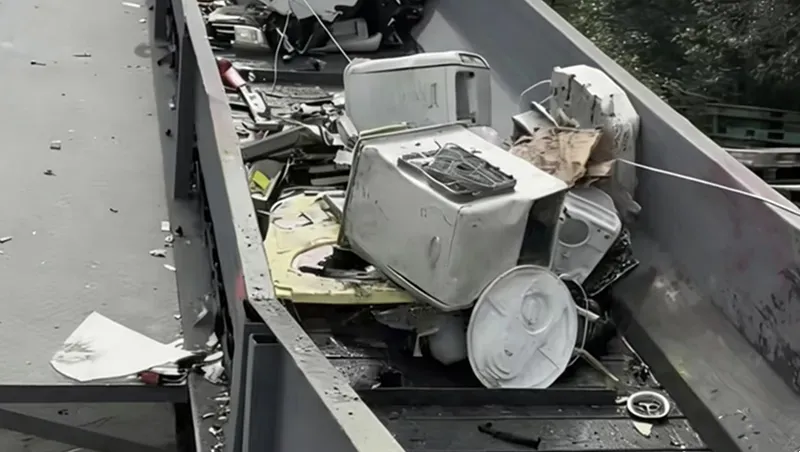
Built a fully automated sorting line for a Japanese national-level waste electrical and electronic equipment processing fund-subsidized enterprise, increasing dismantling efficiency by 300%.

300 meters south of Qingyun Industrial Park, at the intersection of Changshen Expressway and Provincial Highway 225 in Qingshu County, Linyi City, Shandong Province, China